Content makes things happen.
Hi there partner. I'm Parker Williams. Let's face it, we live in a world of constant content creation and consumption. Cutting through it is harder than ever. I have spent twenty years learning what content is worth and how to put it to work. There is no template for this. I have made it efficiently and I have made it the expensive way. I have made beautiful films that nobody watched, and scrappy content made with no budget that moved an entire industry. Sometimes the brilliant ideas land with a thud, and sometimes the dumbest things make you look like the smartest producer of all time. And sometimes it works exactly the way you drew it up.
That said, no template does not mean no formula. Knowing what you are setting out to accomplish is always step one. Step two is figuring out the audience. Step three is pointing the content in that audience's direction. Once you have that sorted out, you can start getting into the creative and figuring out what to make and how much you should spend on it.
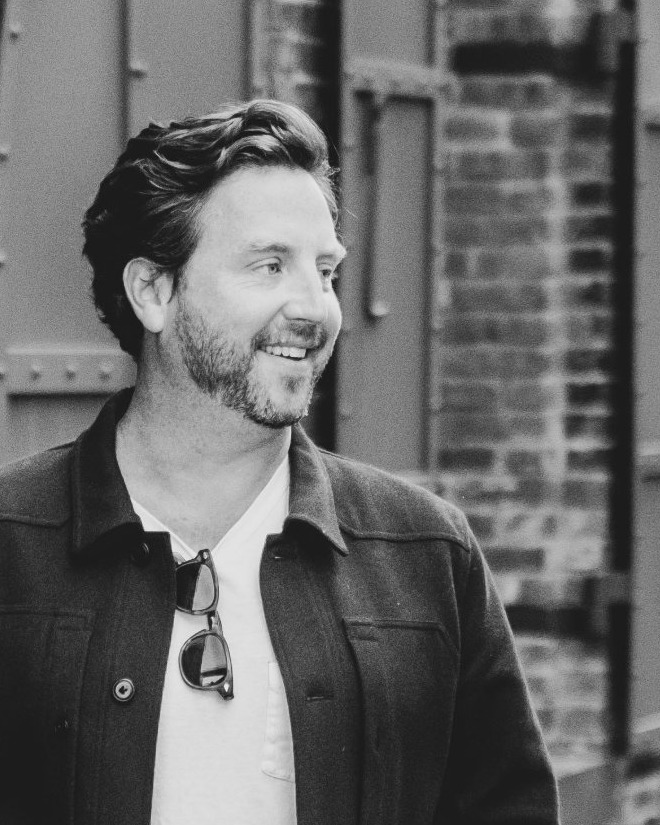
Content can make a real difference in the world.
I believe that because I have watched it happen. In my own business and for my clients, I have seen content:
- Build a beloved brand
- Sell all kinds of products
- Attract and retain the most sought-after talent
- Shift policy and opinion
- Raise the value of assets and portfolios
- Completely change a reputation
- Become the lifeblood of communities
- Turn doubt into trust
- Make people rich and famous
I have worked with seven figures, and I have worked with seven dollars.
And while budget does not predict success, it does dictate direction. Some projects require spending. Some do not. Nothing worse than throwing money at something that did not need it. I have always preferred efficiency, but I hate cutting corners. Being cheap will cost you so much more in the end.
Making it is only the beginning.
Finding the right audience in the right venue is where the needle starts to move. A festival builds credibility. Social builds reach. A room with forty of the right people in it changes a vote. Some content works in every setting. Most does not. Knowing which one you have before you start is an enormous advantage.
There is no part of this I haven't done.
I built a content company into an award-winning business across five markets, and it is still operating today. I created and produced my own television series, which meant selling the advertising and negotiating the distribution as well as making the episodes. I came up through agencies, so I have written the creative and I have closed the deals on it. I have made national campaigns, documentaries, social content and podcasts for some of the biggest brands in the world. Today I am the CEO of a film and television studio.
That range is what I bring to the table, plus taste and judgment. Anyone can get something made. Knowing what's worth making is the hard part.
As your partner in content.
When I become part of your team, I start by helping you understand the goals. Then we go through the steps and put together a strategy. And then we decide how to best execute. Often I am the best person for this job, but sometimes the answer is in-house or with another team. Either way I answer for the result.
Content is never one and done.
Once it works, you are going to want to keep doing it. That's when it becomes an operation.
Standing one up properly takes time, but all the same principles and steps apply.
Teams bring me on board to help identify who to hire, what processes to incorporate, what gets made, what it costs to run and who it answers to.
A content operation will become one of your most valuable assets.